
meganOS
Special education operations that run on their own
Special education operations that run on their own. Megan Hsu, Fractional SPED Systems Operator. Tap a section to open it.
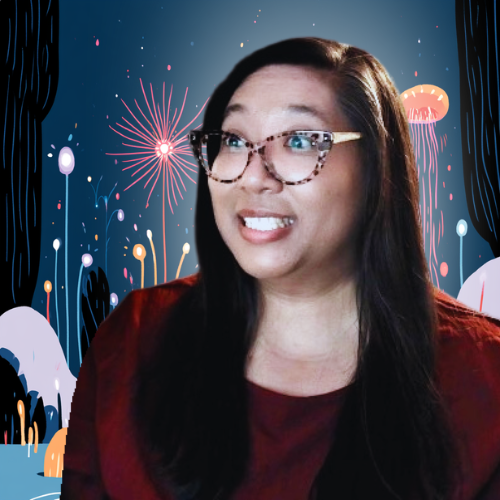
About this operator
Megan Hsu, Fractional SPED Systems Operator.
I am a special education program manager. I have sat in the chair, run the caseloads through my providers, and lived the same compliance, staffing, and service-delivery problems I now build for. That is the part an outside vendor cannot replicate. I see the whole operation, from the inside.
Everything here runs on one idea: turn the repetitive work into systems that run on their own. This site is the smallest version of it. It is an operating system, built by hand, because that is what I do.
The role
Districts do not need one more person doing the work by hand. They need someone who builds the systems that do it continuously, and leaves the machinery behind.
You stay the architect. The systems carry the repetitive load. Your team gets its time back for students. It is a standing capability, engaged fractionally, instead of a full-time hire you cannot fund.
A department that runs on its own:
What the work looks like
Four moves, in order:
Map the tools, exports, and manual workflows already running the department. Find where the hours leak and where risk is hiding in plain sight.
Pull SIRAS, PowerSchool, and the assessment platforms into one normalized, local-first picture, so the whole operation is visible in one place instead of five.
Standing agents that watch IEP timelines, disproportionality, and service delivery continuously, and flag risk while there is still time to act.
Set up a chosen staff member to run, monitor, and extend the systems, so the capability stays in-house and does not walk out the door when I do.
Built, shipping, and in the wild
A cross-section of what I build and what I am running: local-first tools for districts, a program evaluation and a book about inclusion, the staff and family work that sits alongside them, and the agent fleet I run my own operations on. The through-line is the same one I'd build for you: systems that turn what an organization already has into something that runs on its own, then hand the controls back to the team.
The flagship. Compliance and inclusion risk across thousands of students, surfaced for the director, fully local-first. A whole department's analytics, working today.
Overview ›An online academy that teaches educators to build their own AI systems, not just use a chatbot. A three-course path from using AI to operating it.
Overview ›The company the district tools live under. One suite bringing the special education products together for the teams that use them.
Overview ›A personal fleet of agents that runs my own operations, research, and drafting daily.
Overview ›A formal evaluation of one elementary school's learning center model, written to APA reporting standards so it can stand up outside the district that produced it.
Overview ›Structured classroom observations of inclusion practice, with an inter-rater reliability protocol and thresholds fixed before any data exists. The observation tool is a web app built for the team doing the looking.
Overview ›Growth and inclusion data for one elementary school, comparing each student against their own classmates rather than a national norm. Server-side authorization and small-cell suppression built in.
Overview ›Three parts, eleven chapters, on the adult side of inclusion. What it asks of teachers, of schedules, and of the people who run them.
Overview ›A monthly space for district staff who identify as Asian American, Native Hawaiian or Pacific Islander. Staff-led, with administrators sponsoring rather than facilitating.
Overview ›A district event built for families rather than for staff, with interpretation driven by who actually RSVPs, planned backwards from spring 2027.
Overview ›Ten days as a special education administrator. Each day a problem from that day's actual work, and something built for it before the day ends. Second run; the 2025 edition is still live.
Overview ›On stage
I work the same ideas in front of national and international audiences that I build for districts.
Upcoming
Delivered
Open a talk for the session details and slides.
Build fast, learn faster
Where a lot of the range gets built. Two wins so far.
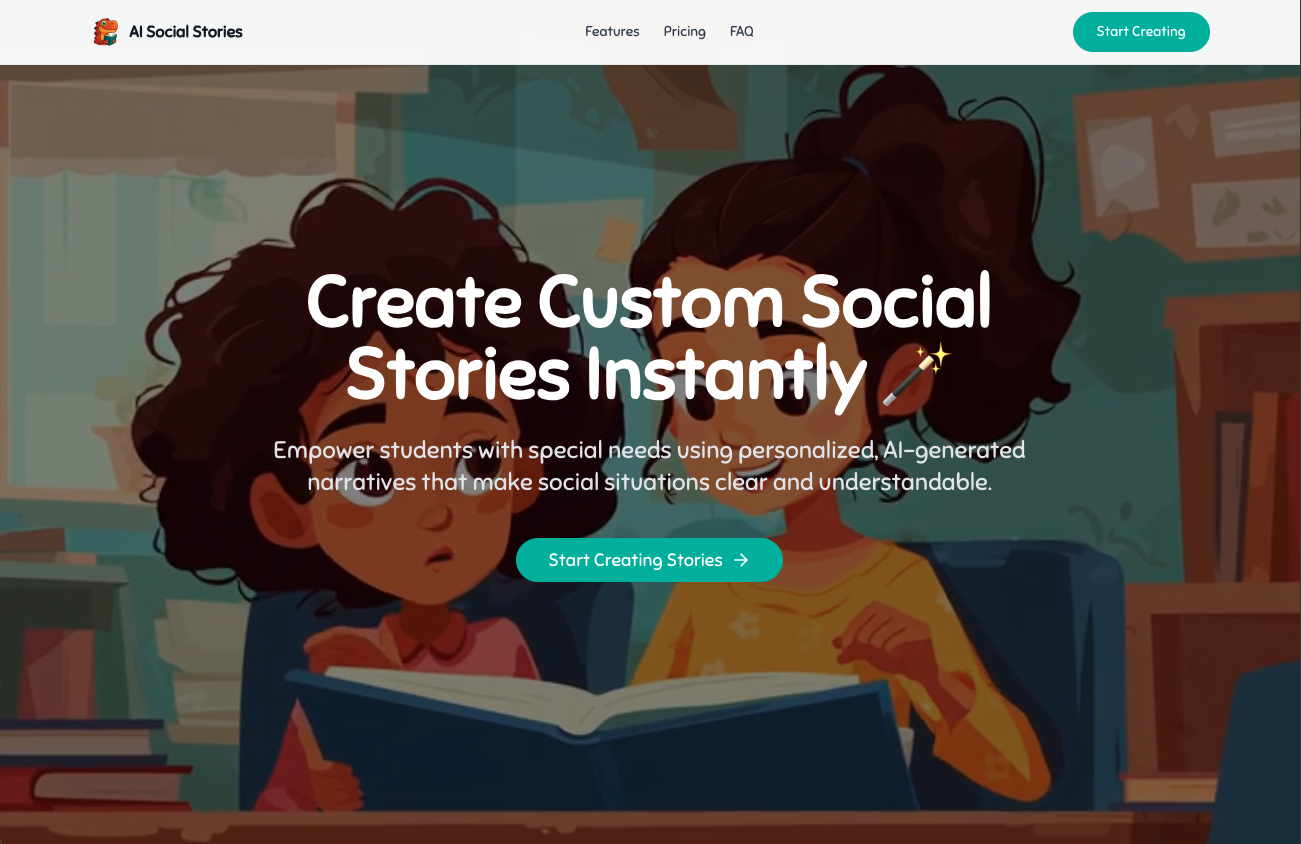 Win
WinMarch 2025.
Watch & open ›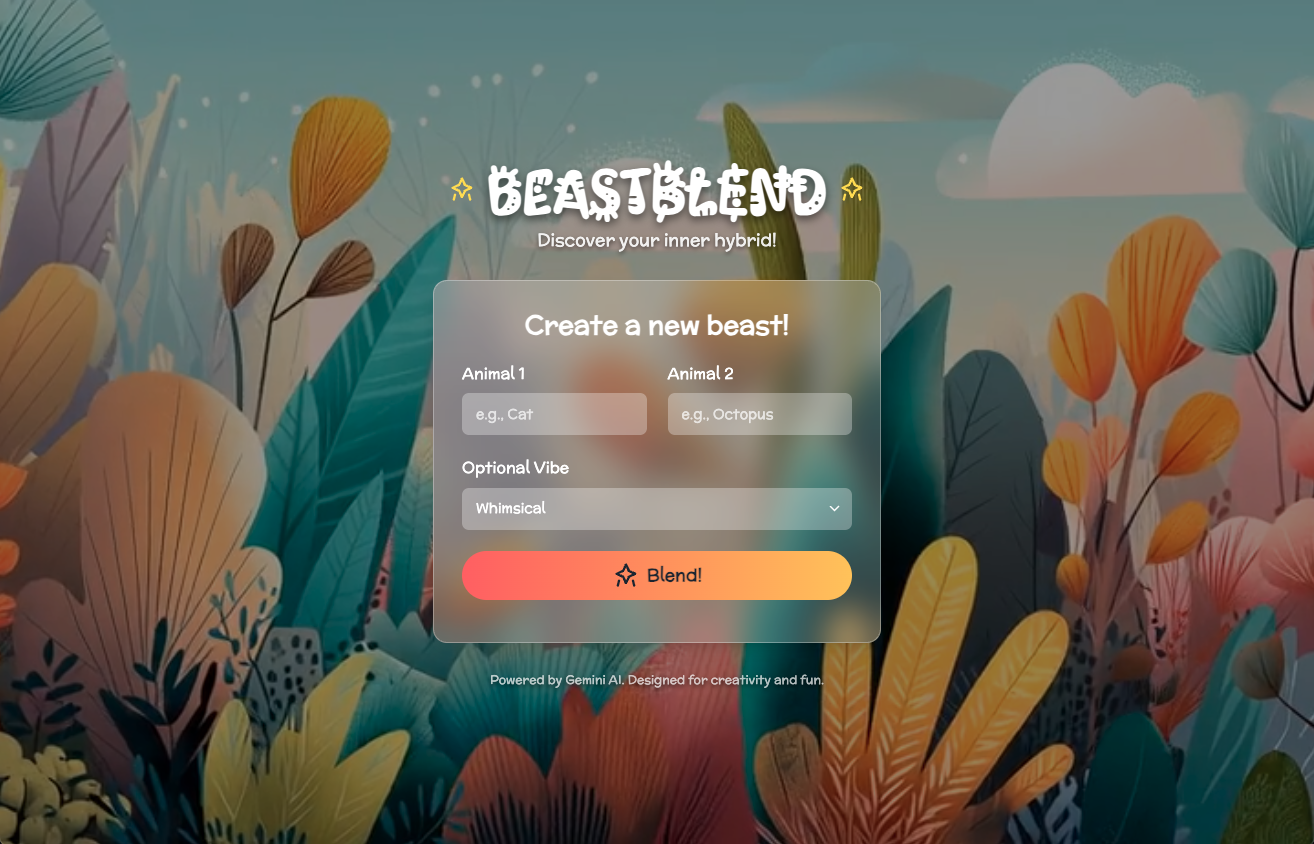 Win
WinSeptember 2025.
Watch & open ›Also entered
Career
Open a role for responsibilities and accomplishments.
Building AI systems for K-12 special education, from the practitioner's chair.
Lead the special education program across the district, supervising providers rather than carrying a caseload.
Taught high school mathematics to students with learning differences in a small-class special education setting.
Stanford Teacher Education Program (STEP).
←/→ move · Space fire · Enter to replay
Start here
A short conversation about what you have already tried, and what "working" would look like in your own words.
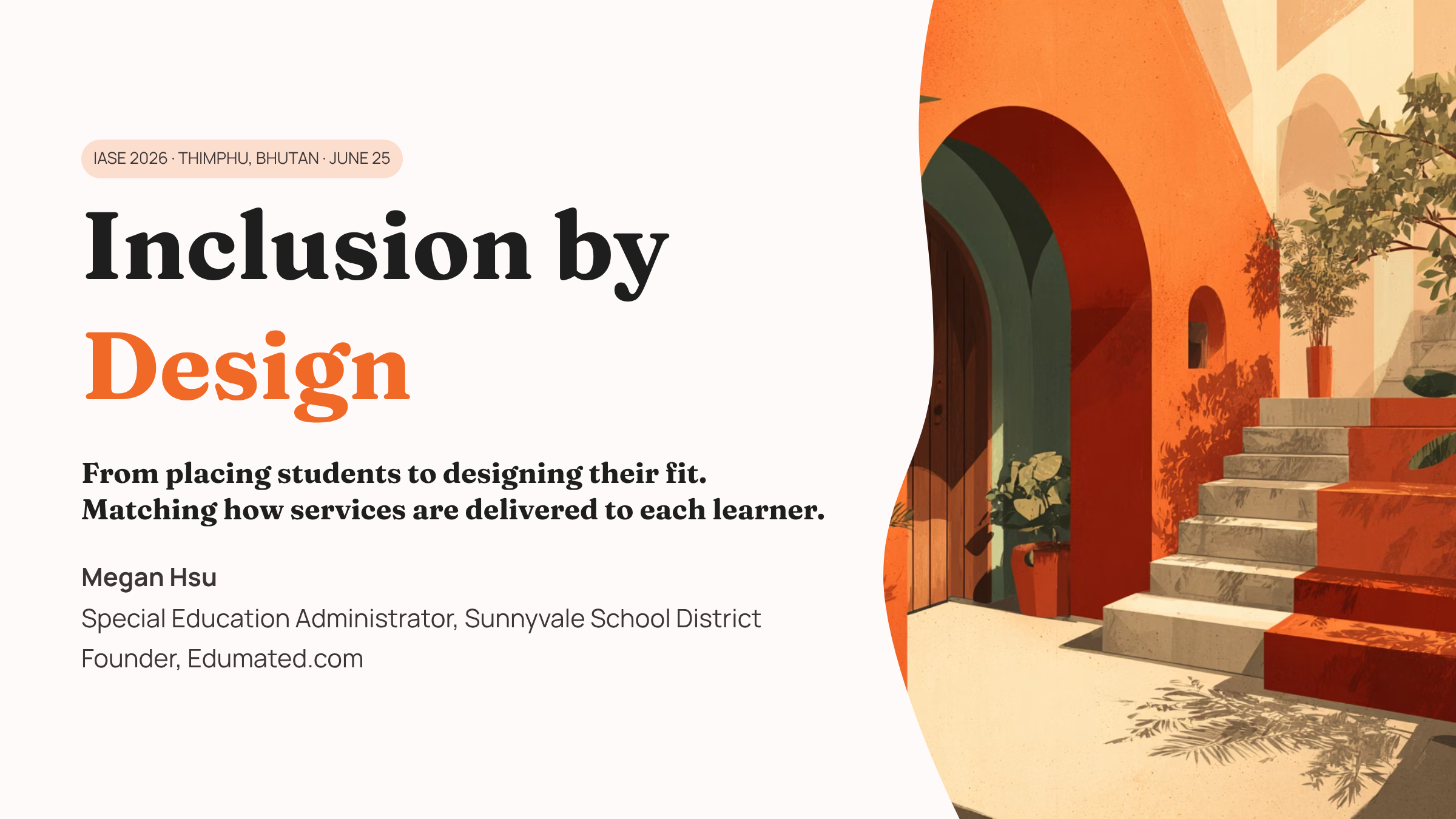
Book a conversationDelivered · June 2026
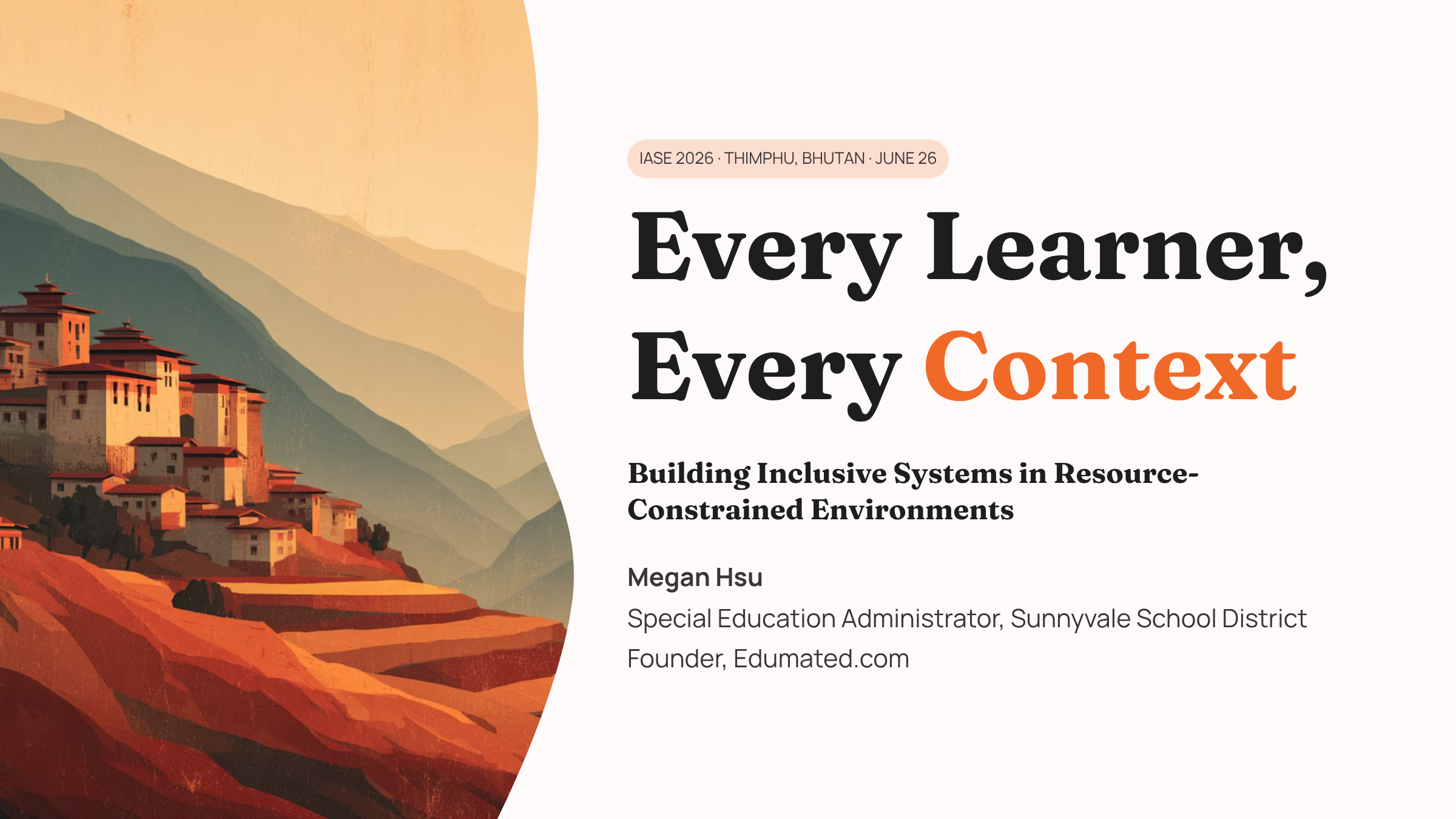
"Every Learner, Every Context: Educators as AI Architects of Inclusion" & "Inclusion by Design: Matching Models to Needs, Aligning the Whole Team"
Two sessions delivered to special educators from more than two dozen countries. The first positioned educators as the architects of AI-powered inclusion rather than passive adopters of it. The second addressed how teams align around matching service-delivery models to individual learner needs. The through-line I carried home: across radically different national systems, the constraints on inclusive education are strikingly the same, and human capacity is the real bottleneck.
 ▶
▶
 ▶
▶
Delivered · March 2026
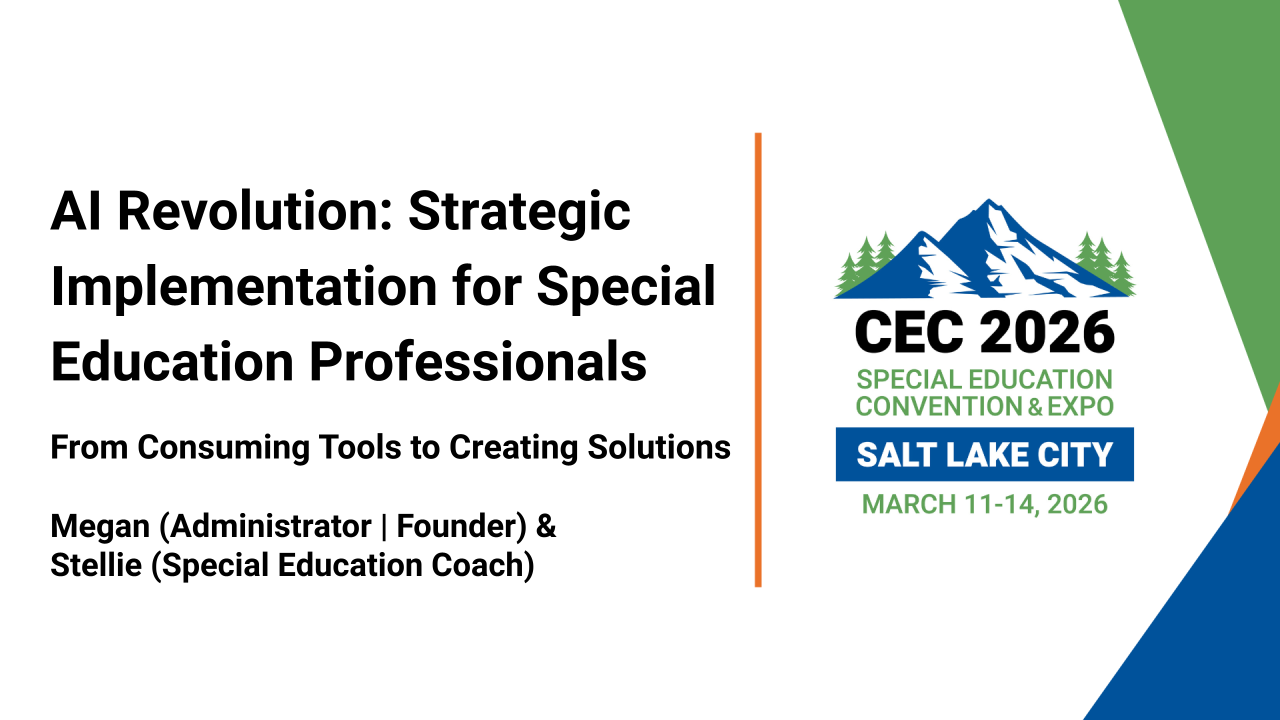
"AI Revolution: Strategic Implementation for Special Education Professionals"
A working session on strategic AI implementation in special education: how to assess an organization's AI readiness, build an implementation roadmap, and integrate AI tools while holding the line on compliance and best practice.
 ▶
▶
Delivered · March 2026
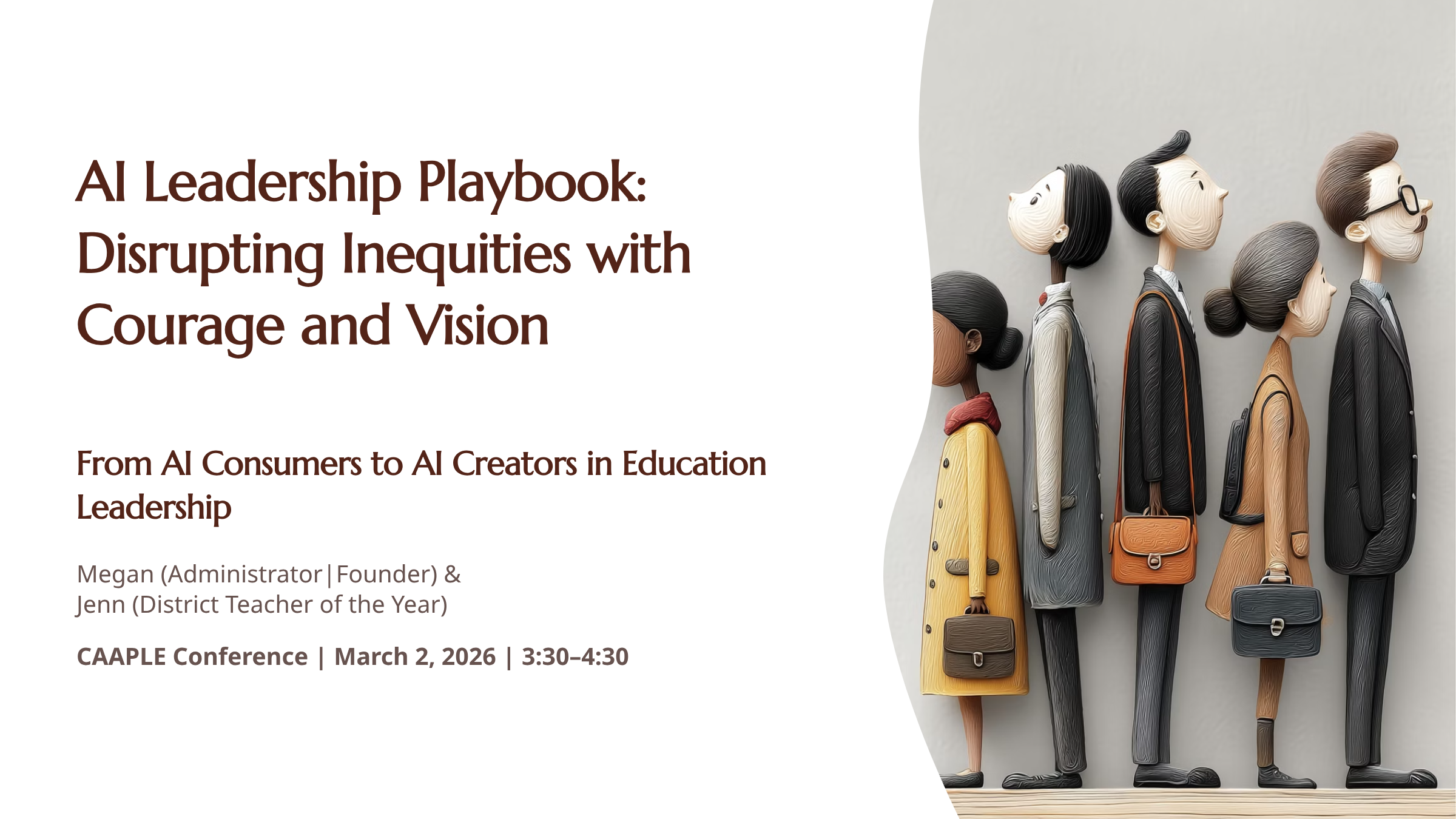
"AI Leadership Playbook: Disrupting Inequities with Courage and Vision"
A session on leveraging AI as a tool for educational equity: how courageous leaders use AI strategically to disrupt systemic inequities, amplify marginalized voices, and build more equitable learning environments.
 ▶
▶
Delivered · November 2025
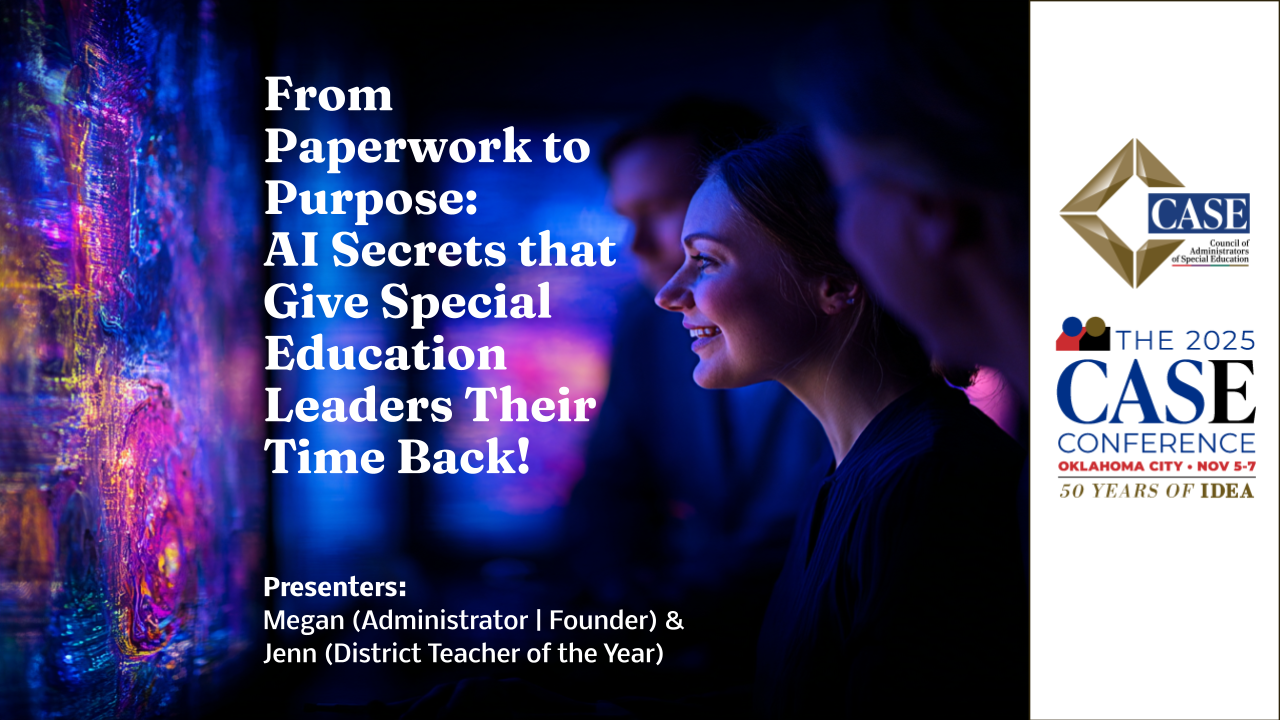
"From Paperwork to Purpose: AI Secrets that Give Special Education Leaders Their Time Back"
Special education leaders lose countless hours to paperwork and administrative work. This session showed the AI-powered strategies and tools that cut documentation time, so leaders can put their attention back on students and teachers.
 ▶
▶
Delivered · September 2025
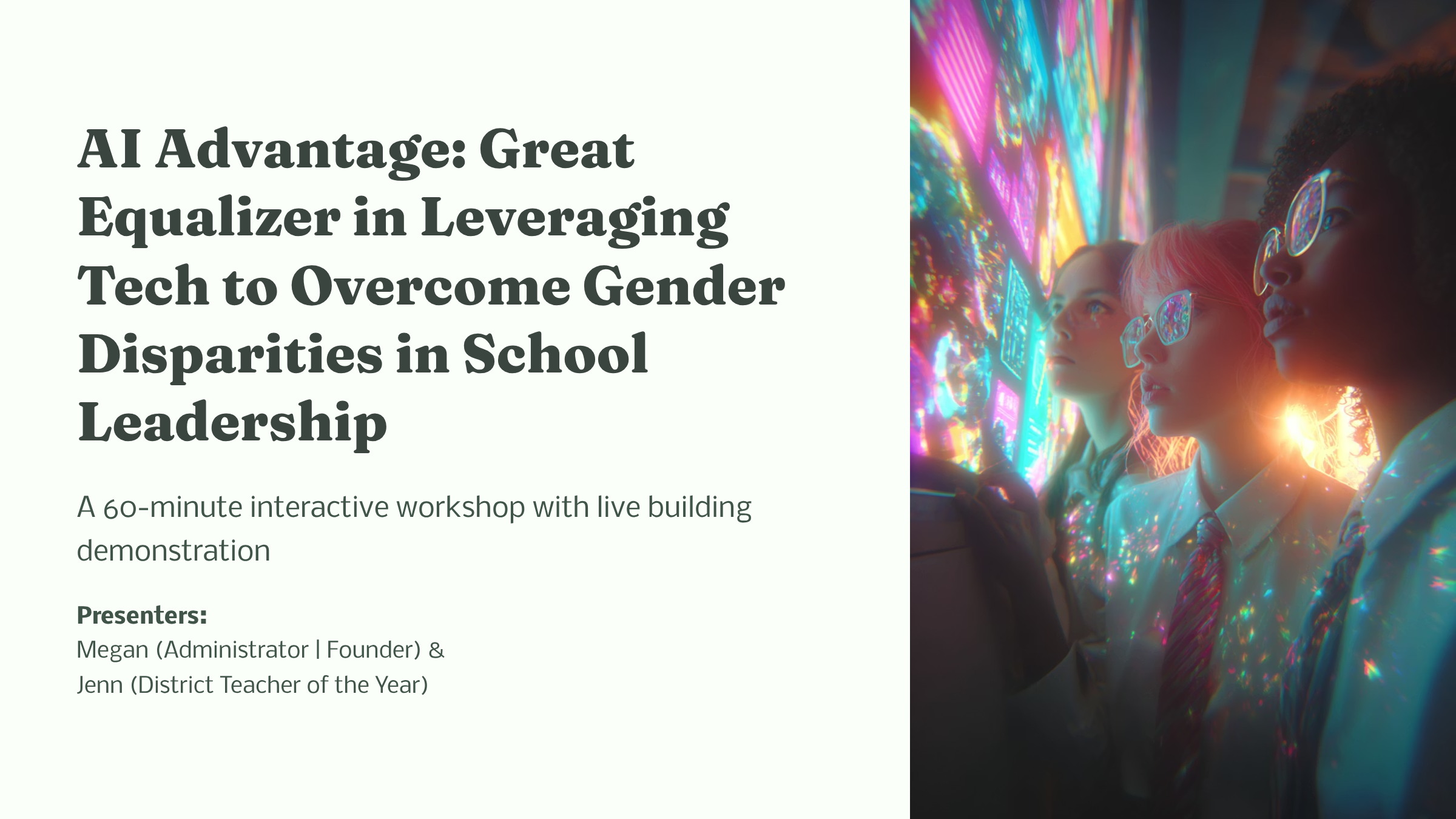
"AI Advantage: Great Equalizer in Leveraging Tech to Overcome Gender Disparities in School Leadership"
How AI and automation help women in educational leadership overcome systemic barriers, cut time spent on administrative tasks, and open more equitable pathways into leadership.
 ▶
▶
"The session provided practical 'yes I can' application for AI to enhance my work productivity so I have more time for people and creativity."
Cheryl Jordan, Superintendent"I learned how easy it is to implement AI for time-consuming tasks, and I gained confidence in using AI to create presentations."
Carla Hamilton-Yates, Vice PrincipalDelivered · January 2025
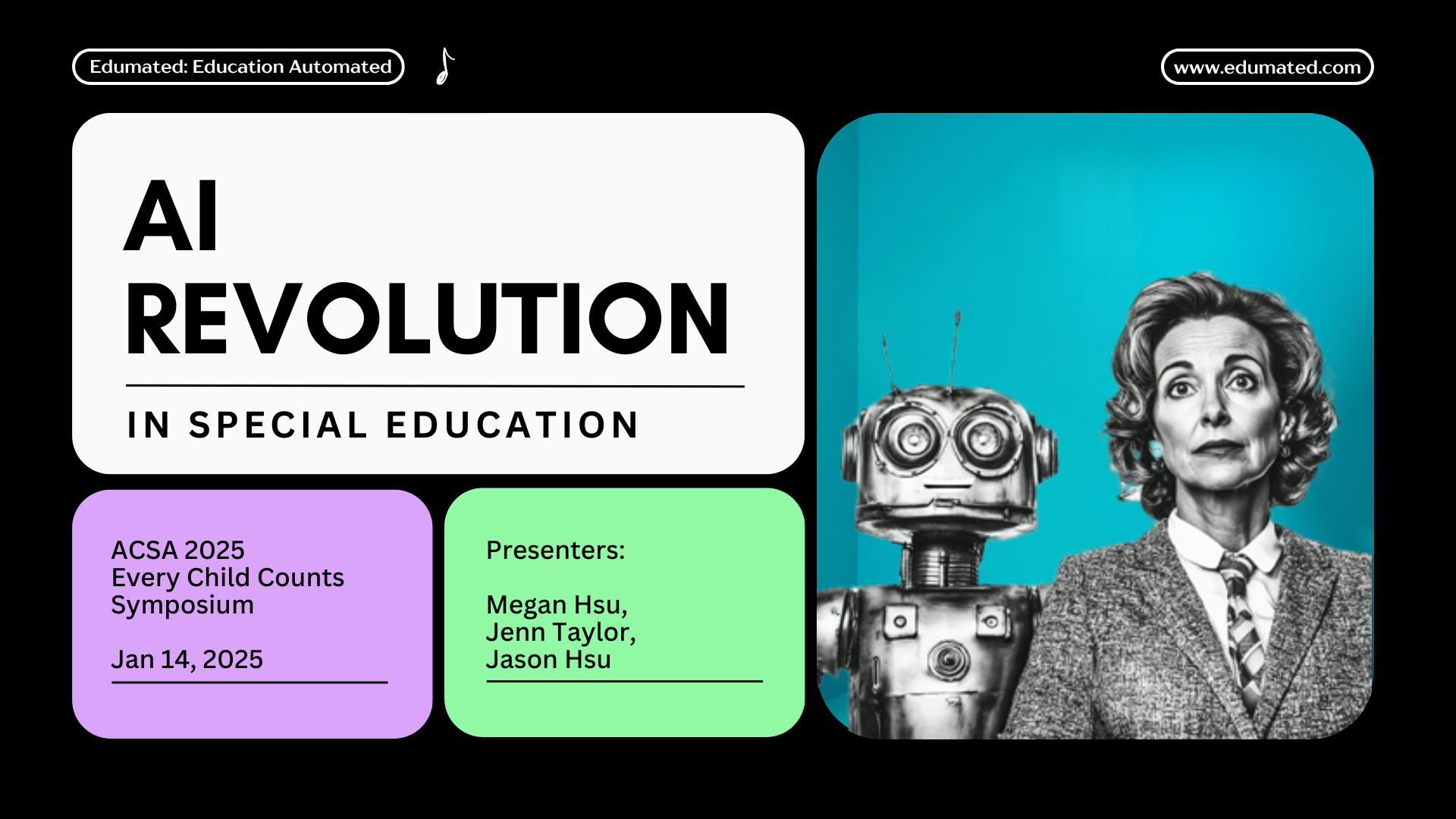
"AI Revolution in Special Education: Create Your Own SPED AI Tools"
An interactive workshop where special education professionals built custom AI tools for their own classroom needs. Participants left with working prototypes and a concrete implementation plan.
 ▶
▶
"I learned about all the different ways AI can support you and help you. It was very informative and helpful for ideas to streamline your job tasks."
Joycelynn Evans, Program Manager"This was the most important session this conference. I learned there are a lot of things I can use AI for."
Curtis Gardner, SpEd CoordinatorLive · Flagship
Compliance and inclusion risk across thousands of students, surfaced for the director, fully local-first.
A whole department's analytics, working today. SPED Signal pulls from SIRAS, PowerSchool, and assessment platforms a district already has, normalizes them locally, and surfaces the five lenses a special education director actually needs: compliance, inclusion, disproportionality, English learners, and performance. Nothing leaves the machine. The device is the trust boundary.
Building
Teaching educators to build their own AI systems, not just use a chatbot.
A three-course path, consumer to builder to operator: from getting usable output the first time, to building your own tools, context, and memory, to running agents and automations safely at scale. Thirty lessons, built from the operating system I actually run every day.
Building
The home for the special education tools.
The company that brings the district work together under one roof. The tools are sold and supported as one suite for special education teams rather than as a pile of separate products.
Running
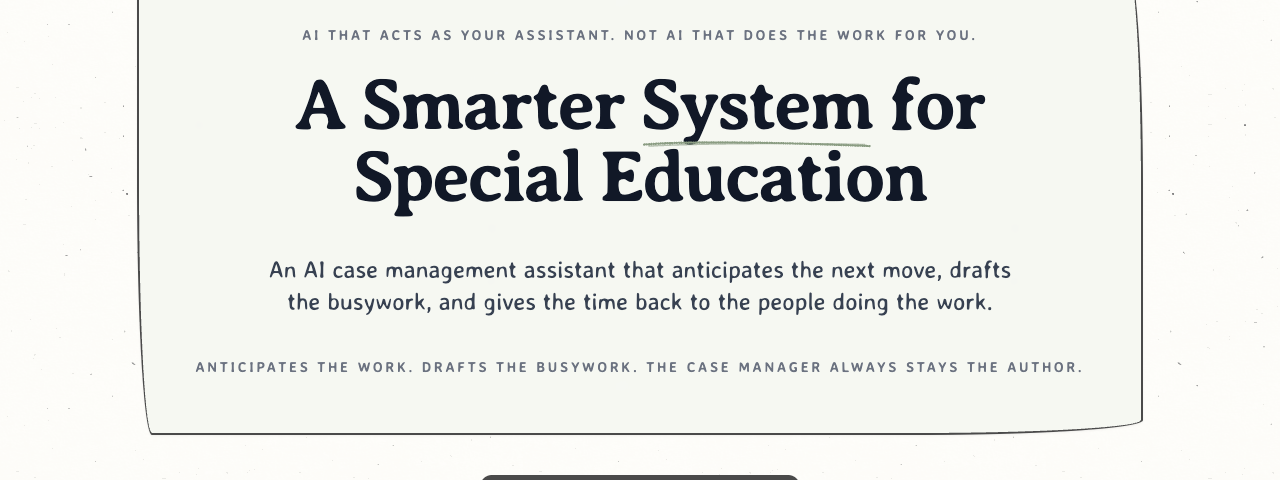
A personal fleet of agents that runs my own operations, research, and drafting daily.
The dogfood. A standing set of always-on agents that handle my own scheduling, inbox triage, research, and writing, on a schedule, without me in the loop. The same architecture I build into a department: systems that run on their own and leave the machinery behind.
Writing
A formal evaluation of one elementary school's learning center model.
An inclusion model that has been running for years inside a single elementary school, written up so that it can be read by people who do not work there. The evaluation holds a clear line between program evaluation and human-subjects research, and it names the FERPA parameters it operates under rather than assuming them.
Reporting follows APA JARS-Quant. That replaced an earlier checklist built on SQUIRE 2.0, which is a healthcare quality-improvement standard and was simply the wrong instrument for this work.
Fieldwork September
Structured classroom observation of inclusion practice, with the reliability work done first.
A research brief, an observation plan, an observer rota, a leadership log, and an inter-rater reliability protocol that ties six observer pairings to a named teacher, subject and month. The agreement thresholds were set before any data existed, which is the only point at which setting them means anything.
The observation instrument is a web app built for the team doing the looking, so the protocol and the tool are the same object rather than a document and a spreadsheet that drift apart.
Building
Growth and inclusion data for one elementary school, on real data.
Every student in the school across the elementary grades, joined across enrollment, service level, inclusion setting and three assessment windows a year. Peer comparison runs on conditional growth percentile against a student's own classmates rather than against a national norm, because the question a teacher is actually asking is about this room.
Authorization is server-side, not in the browser. Small cells are suppressed, along with the complementary cells that would let a reader work a suppressed number back out.
In progress
Three parts, eleven chapters, on the adult side of inclusion.
Most writing about inclusion is about children. This one is about the adults: what inclusion asks of a general education teacher, what it does to a master schedule, and what the people running a school have to decide before any of it reaches a student.
The only piece of my work with no deadline attached to it by anyone, which is either the reason it will get finished or the reason it will not.
Launching
A monthly space for district staff who identify as Asian American, Native Hawaiian or Pacific Islander.
Staff-led, with administrators sponsoring rather than facilitating. That distinction is the whole design: a group that exists because leadership makes room for it, and that leadership does not sit in.
A first-year cadence is written and shareable, and a conference session proposal has gone out describing how it was built.
Proposed
A district event built for families rather than for staff.
Interpretation driven by who actually RSVPs instead of by what was budgeted in advance, and a programme built around what families see change between elementary school and middle school. Planned month by month backwards from spring 2027.
Still a proposal. The open questions are whether the district wants it, whether there is a budget, and what the terms are for staff working a Saturday.
September 1 to 10
Ten days as a special education administrator, and something built each day for a problem that arrived that day.
The second run. 2025 was ten micro apps in ten days and the apps were the subject. 2026 keeps the format and changes the source: the problems are not chosen from a backlog, they arrive out of that day's meetings, and something usable exists before the day ends.
One hard rule. The build describes the friction, never the child.
See the 2025 run ↗Hackathon win · September 2025
A playful AI creativity app.
Built under hackathon constraints and taken to a win. Watch the promo below, then try it live.
Open the app